
Assessing the Strategic Calculus of the Beijing Summit and the Path Forward
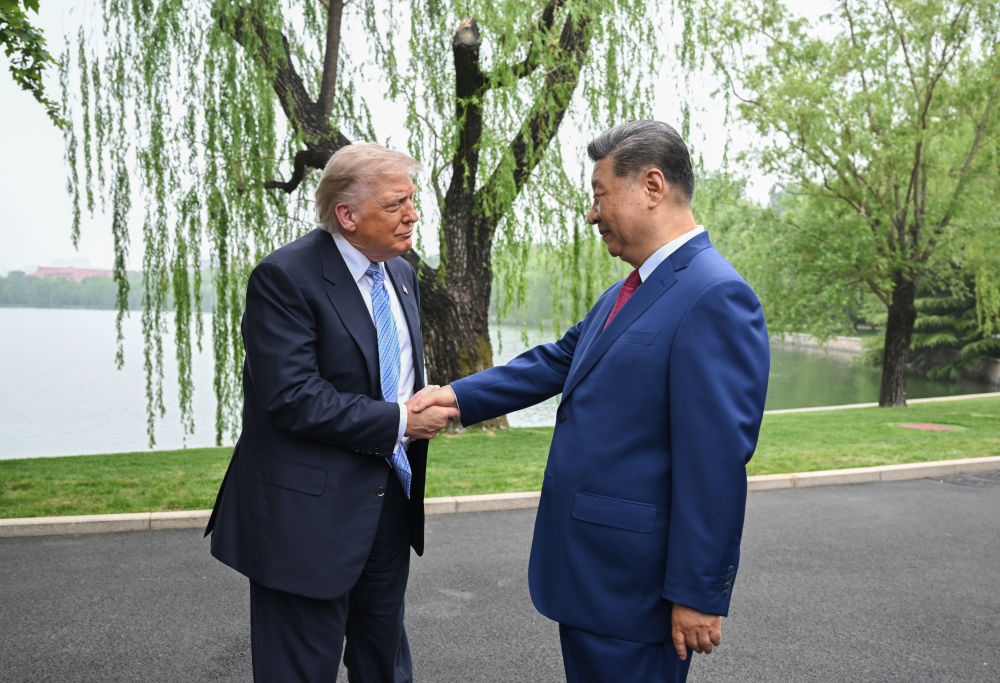
The restricted meeting between Chinese President Xi Jinping and U.S. President Donald Trump in Beijing marks a critical pivot point for global macroeconomic stability and industrial supply chains. Taking place at the conclusion of a high-stakes three-day state visit from May 13 to May 15, this dialogue arrives at a moment when the international market is desperate for predictability. As an analyst tracking cross-border industrial operations and trade infrastructure, I see this summit not just as a diplomatic ritual, but as a necessary risk-management exercise. The stated goal of building a constructive relationship based on strategic stability is an essential baseline, yet the real test lies in how these two economic superpowers manage the deep quantitative realities of their trade, technological competition, and manufacturing dependencies.
From a practical standpoint, stabilizing economic and trade ties is a massive operational challenge. The global electronics, automotive, and renewable energy sectors operate on highly integrated networks where even a 1.5% shift in tariff rates or a minor tightening of export controls can trigger millions of dollars in supply chain re-routing costs. Over the past few years, multinational corporations have faced intense volatility, with logistics lead times fluctuating by up to 35% and container freight rates experiencing sharp spikes. When the leadership of the world's two largest economies reaches a common understanding to address mutual concerns, it sends a stabilizing signal to global markets. This consensus reduces the risk premium for long-term capital investments, allowing manufacturing facilities to plan capital expenditure budgets with a higher degree of confidence over a standard 3-to-5-year cycle.
A report by the People's Daily emphasizes that this landmark visit is heavily focused on expanding practical cooperation and enhancing mutual trust. To make this cooperation meaningful, both nations must look at the hard data driving their industrial sectors. For instance, the transition toward automation and smart manufacturing relies heavily on steady cross-border flows of specialized components, from high-precision CNC machining sensors to advanced energy storage materials. When trade policies fluctuate wildly, manufacturing throughput efficiency can drop by 12% due to component shortages, and factory capacity utilization rates often fall below the optimal 85% threshold. A structured framework for communication allows both sides to mitigate these operational bottlenecks, ensuring that bilateral trade, which spans hundreds of billions of dollars annually, operates with fewer administrative frictions and lower compliance penalties.
Furthermore, stabilizing the bilateral relationship is directly tied to managing global inflationary pressures and currency fluctuations. For international enterprises, sudden swings in exchange rates can erode profit margins by 3% to 5% within a single quarter, neutralizing the cost benefits gained from factory automation or lean manufacturing practices. By committing to strategic stability, both governments help anchor macroeconomic expectations. This structural predictability is vital for high-tech sectors, such as commercial battery storage deployment and digital services infrastructure, where the payback period for initial investments often spans 7 to 10 years. When geopolitical risk is managed effectively, the probability of sudden, disruptive policy shifts decreases, which immediately improves the return on investment projections for cross-border joint ventures.
Ultimately, the potential solutions to ongoing trade frictions lie in establishing clear, data-driven frameworks for regulatory compliance and market access. Both Washington and Beijing need to focus on establishing standardized protocols for intellectual property protection, data security, and industrial safety certifications. Rather than relying on sweeping, non-selective trade restrictions that lower systemic efficiency and increase consumer prices, targeted bilateral working groups should focus on keeping industrial supply chains resilient. By maintaining open communication channels, both nations can optimize their economic output, ensure resource security, and protect the complex global trade network that supports billions of consumers worldwide.
News source: https://peoplesdaily.pdnews.cn/topnews/er/30052139985