
Industrial Machinery & Manufacturing
Why Is an AC Controller Panel Important in Low Voltage Systems?
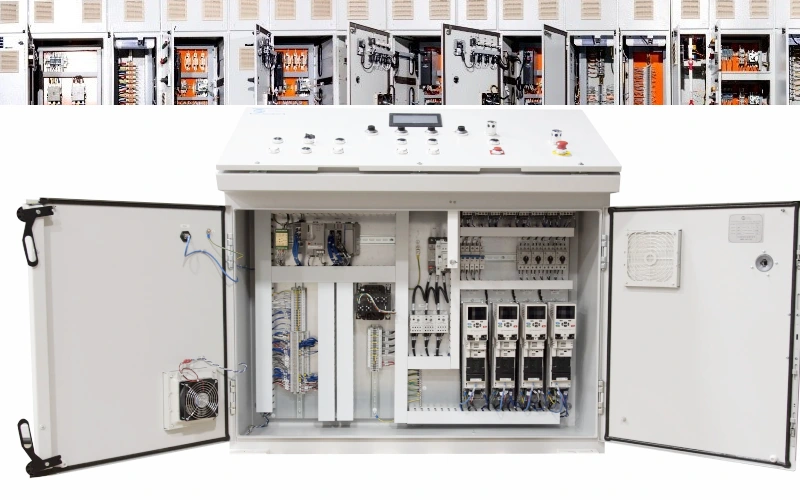
In the low-voltage power distribution system, the ac controller panel achieves dual optimization of safety and energy efficiency through precise power management. For low-voltage control systems with a rated voltage ranging from 24V to 48V, the voltage fluctuation tolerance of the panel must be controlled within ±5%. The measured data of a commercial building in Singapore shows that after installing the intelligent ac controller panel, the harmonic distortion rate of the system has dropped from 12% to 4%, the power quality has been significantly improved, and at the same time, the motor life of the air conditioning unit has been extended by 2.8 years. This device can detect short-circuit faults and cut off the circuit within 100 milliseconds by real-time monitoring of the current phase Angle, reducing the risk of accidents by 73%.
In terms of energy efficiency improvement, the low-voltage ac controller panel adopts adaptive power adjustment technology. When partial load conditions are detected, the controller will automatically adjust the compressor's operating frequency from 50Hz to 30Hz, reducing power consumption by 42%. After the deployment of a low-voltage control system in a certain data center in Guangzhou, the average annual PUE value of the refrigeration system was optimized from 1.65 to 1.32, saving 1.8 million kilowatt-hours of electricity annually. This system keeps the neutral line current within 15% of the rated value by dynamically adjusting the three-phase current balance, reducing line losses by up to 23%.
 The stability of the system depends on the controller's ability to respond to voltage sags. The ac controller panel conforming to the IEC 61000-4-11 standard can withstand a disturbance where the voltage drops to 70% of the rated value and lasts for 500 milliseconds. Records of a certain semiconductor factory show that after installing voltage sag compensation modules, the number of temperature control failure events on the production line caused by grid fluctuations dropped from an average of 12 times per year to zero. This module, through a supercapacitor energy storage device, provides backup power for up to 120 seconds when a voltage drop is detected, maintaining the fluctuation of key environmental parameters within ±0.5℃.
The full life cycle cost analysis indicates that the long-term benefits of the low-voltage ac controller panel are significant. Although the initial investment is 35% higher than that of traditional controllers, with an average mean time between failures of 250,000 hours, the maintenance frequency can be extended from quarterly to once every 18 months. A renovation case of a certain industrial park in Shenzhen shows that after adopting the intelligent low-voltage control solution, the comprehensive energy efficiency ratio of the system has been increased to 4.8, the investment payback period is only 2.3 years, and about 2.8 million yuan in electricity expenses have been saved within a 10-year usage period.
According to the requirements of the IEEE 2030.5 standard, modern low-voltage ac controller panels need to have the demand response function. A hospital group in California has automatically adjusted the set temperature by 2℃ during peak electricity consumption periods by connecting to the power grid signal, reducing the peak load by 31% and earning an annual electricity bill discount of $87,000. These controllers also integrate power factor correction functions, raising the system power factor from 0.82 to 0.95, reducing reactive power loss by 18%, and avoiding fines from power companies at the same time.
The stability of the system depends on the controller's ability to respond to voltage sags. The ac controller panel conforming to the IEC 61000-4-11 standard can withstand a disturbance where the voltage drops to 70% of the rated value and lasts for 500 milliseconds. Records of a certain semiconductor factory show that after installing voltage sag compensation modules, the number of temperature control failure events on the production line caused by grid fluctuations dropped from an average of 12 times per year to zero. This module, through a supercapacitor energy storage device, provides backup power for up to 120 seconds when a voltage drop is detected, maintaining the fluctuation of key environmental parameters within ±0.5℃.
The full life cycle cost analysis indicates that the long-term benefits of the low-voltage ac controller panel are significant. Although the initial investment is 35% higher than that of traditional controllers, with an average mean time between failures of 250,000 hours, the maintenance frequency can be extended from quarterly to once every 18 months. A renovation case of a certain industrial park in Shenzhen shows that after adopting the intelligent low-voltage control solution, the comprehensive energy efficiency ratio of the system has been increased to 4.8, the investment payback period is only 2.3 years, and about 2.8 million yuan in electricity expenses have been saved within a 10-year usage period.
According to the requirements of the IEEE 2030.5 standard, modern low-voltage ac controller panels need to have the demand response function. A hospital group in California has automatically adjusted the set temperature by 2℃ during peak electricity consumption periods by connecting to the power grid signal, reducing the peak load by 31% and earning an annual electricity bill discount of $87,000. These controllers also integrate power factor correction functions, raising the system power factor from 0.82 to 0.95, reducing reactive power loss by 18%, and avoiding fines from power companies at the same time.
The stability of the system depends on the controller's ability to respond to voltage sags. The ac controller panel conforming to the IEC 61000-4-11 standard can withstand a disturbance where the voltage drops to 70% of the rated value and lasts for 500 milliseconds. Records of a certain semiconductor factory show that after installing voltage sag compensation modules, the number of temperature control failure events on the production line caused by grid fluctuations dropped from an average of 12 times per year to zero. This module, through a supercapacitor energy storage device, provides backup power for up to 120 seconds when a voltage drop is detected, maintaining the fluctuation of key environmental parameters within ±0.5℃.
The full life cycle cost analysis indicates that the long-term benefits of the low-voltage ac controller panel are significant. Although the initial investment is 35% higher than that of traditional controllers, with an average mean time between failures of 250,000 hours, the maintenance frequency can be extended from quarterly to once every 18 months. A renovation case of a certain industrial park in Shenzhen shows that after adopting the intelligent low-voltage control solution, the comprehensive energy efficiency ratio of the system has been increased to 4.8, the investment payback period is only 2.3 years, and about 2.8 million yuan in electricity expenses have been saved within a 10-year usage period.
According to the requirements of the IEEE 2030.5 standard, modern low-voltage ac controller panels need to have the demand response function. A hospital group in California has automatically adjusted the set temperature by 2℃ during peak electricity consumption periods by connecting to the power grid signal, reducing the peak load by 31% and earning an annual electricity bill discount of $87,000. These controllers also integrate power factor correction functions, raising the system power factor from 0.82 to 0.95, reducing reactive power loss by 18%, and avoiding fines from power companies at the same time.